
Why Floral Design Impacts How a Space Is Experienced
There are certain spaces people remember long after they leave them.
Not always because of what was said there — but because of how the space made them feel.
The atmosphere of a lobby before a meeting begins.
The warmth of a restaurant before guests are seated.
The quiet sense of calm in a wellness space.
The feeling of entering a beautifully designed environment where every detail feels intentional.
Often, those experiences are shaped not only by architecture or interiors, but by the living elements within the space.
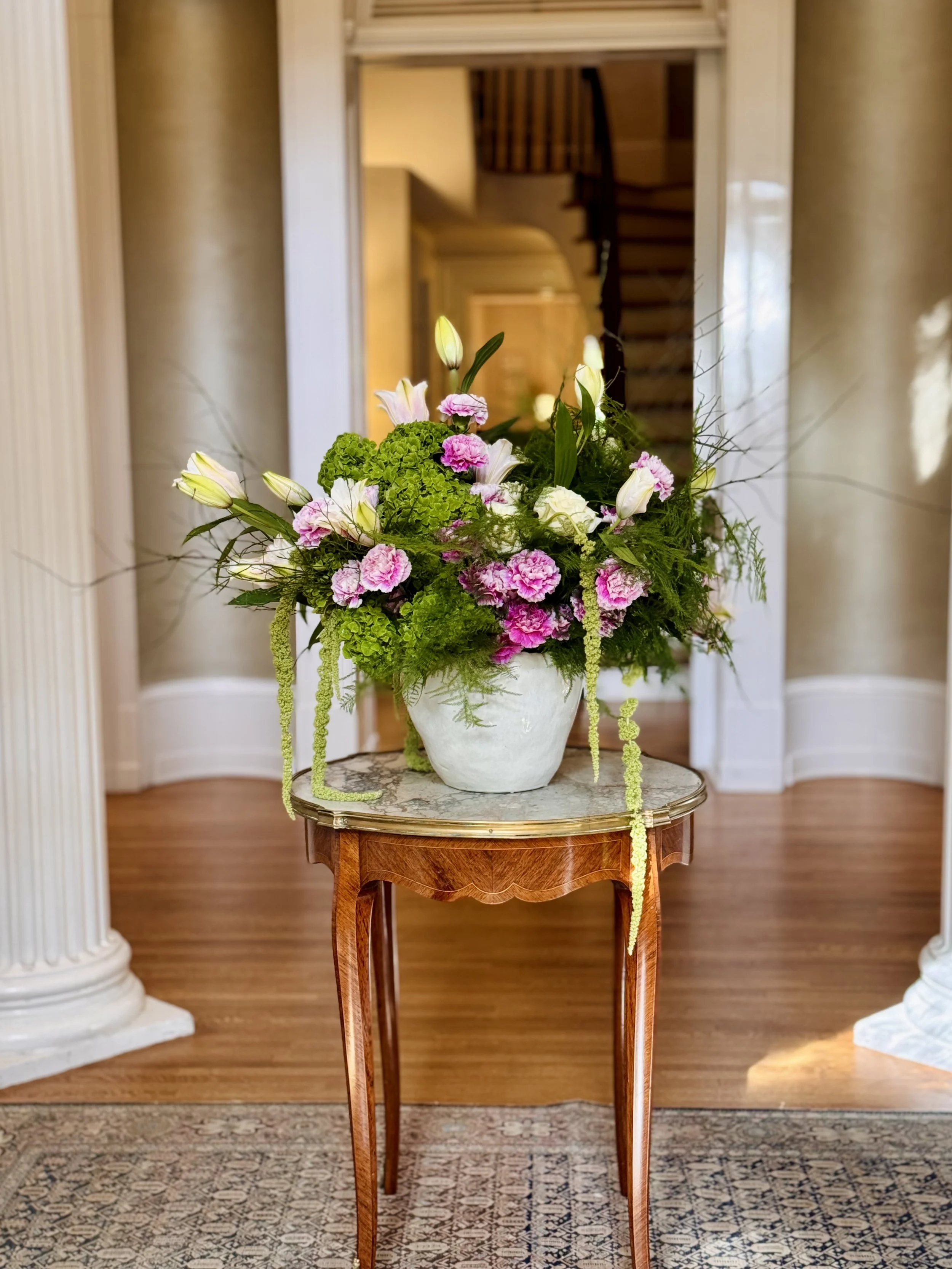
Floral design has the ability to shift the emotional experience of an environment in a way few design elements can. It introduces movement, softness, texture, and seasonality into spaces that might otherwise feel static. It creates contrast against hard architectural lines and brings a sense of life into corporate, hospitality, and public environments.
But impactful floral design is not simply about adding flowers to a room.
The most successful floral environments are designed in conversation with the space itself.
The scale of the arrangement.
The negative space around it.
The palette of the interiors.
The lighting throughout the day.
The materials used within the architecture.
Even the way guests naturally move through a room.
These details matter.
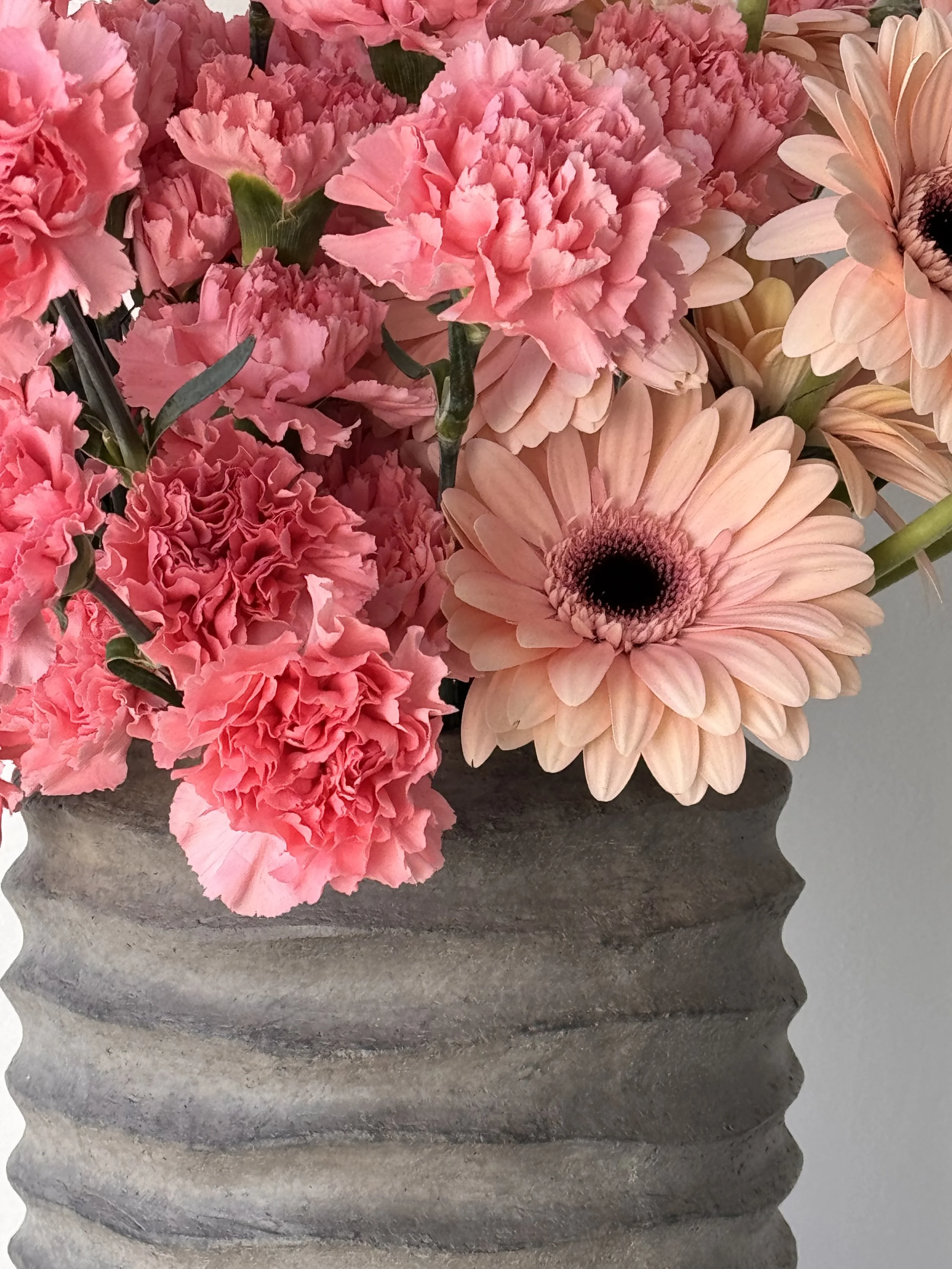
In hospitality and corporate settings especially, florals quietly influence perception. They communicate care, refinement, atmosphere, and attention to detail before a single interaction ever takes place.
A thoughtfully designed arrangement at a reception desk can soften an environment and make it feel welcoming. A sculptural installation within a restaurant can become part of the guest experience itself. In lounges, spas, hotels, and executive spaces, florals help establish emotional tone — whether that feeling is calm, elevated, energetic, intimate, or inspiring.
This is why floral design should never feel disconnected from the environment around it.
At Lavish Leaf Floral Design Studio, our approach begins with observing the architecture, interiors, movement, and identity of a space before a single stem is placed. Some environments call for restrained minimalism and tonal texture. Others invite layered movement and sculptural form. The goal is never simply to fill a space, but to create harmony between florals, atmosphere, and experience.
Because when floral design is approached intentionally, it becomes more than decoration.
It becomes part of how a space is remembered.